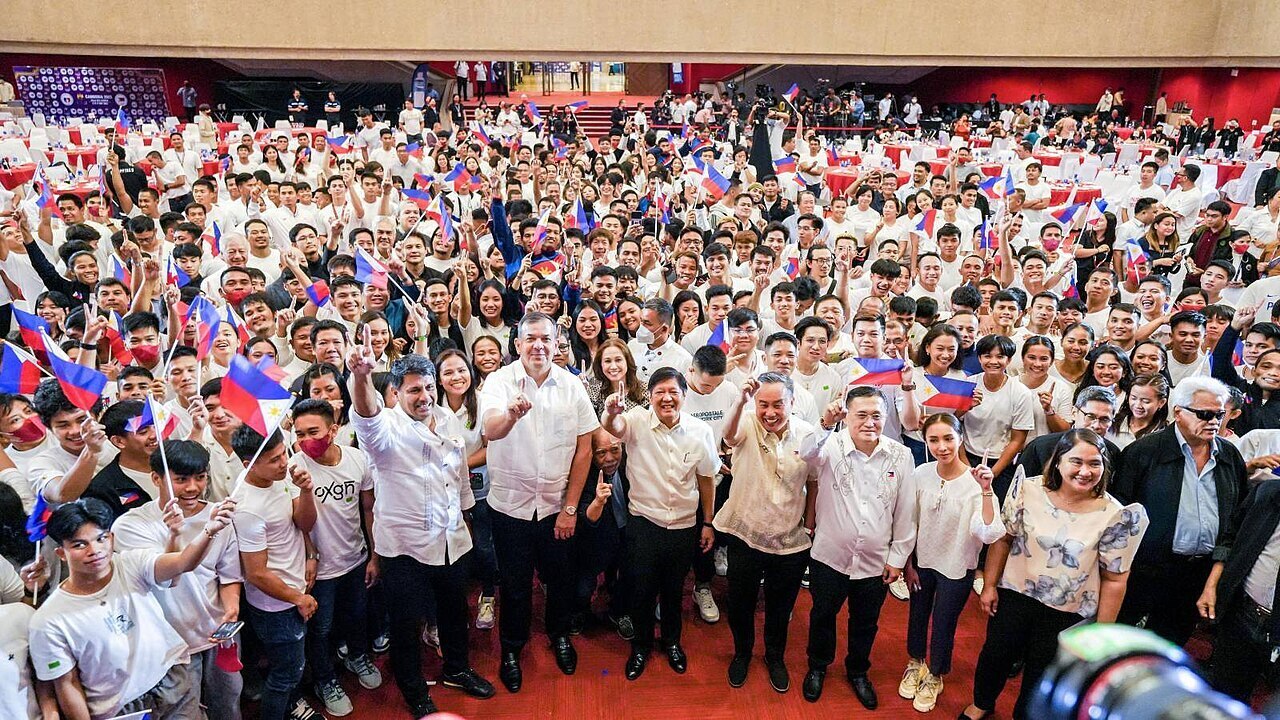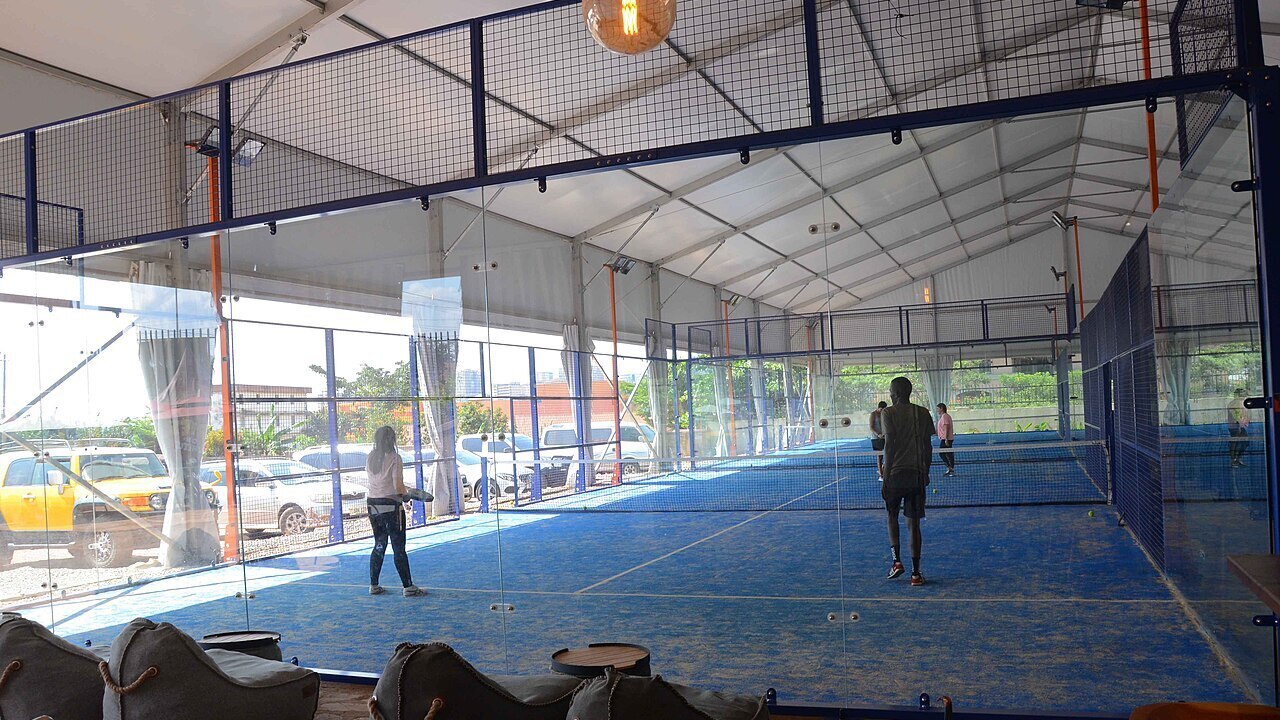
If you've been around Philippine sports circles lately, you've probably heard a new word bouncing around: padel. It looks like tennis had a baby with squash in a glass box, and suddenly everyone wants to play.
But for tennis fans, a question lingers: is padel stealing our thunder?
Short answer: no. Longer answer: it's actually making thunder for everyone.
Padel's Philippine Moment
The Philippine Padel Association (PPA) has been busy. Their development calendar reads like a sports organization that knows exactly where it's going: the Philippine Padel Invitational, a Women's League, the PPA Cup, PPA Cup Nationals, and the PPA National Championships. They've even established a Future Stars Academy with scholarships for young athletes across the country.
Courts are popping up in BGC, and the APPT Manila Open was held in 2025 — bringing international-level padel to Philippine soil.
The Global Picture
The numbers tell the story of a sport exploding. Asia now has over 1,700 padel clubs and 4,600+ courts across more than 30 countries. Belgium went from 3 courts to 2,600 in just eight years. The PPA president described the Philippine market as "starting from zero" — which, if Belgium is any guide, means there's nowhere to go but up.
And the big milestones keep coming: padel is a full-fledged medal event at the 2026 Asian Games in Aichi-Nagoya, Japan. It's targeting a demonstration sport spot at the 2028 LA Olympics. A full medal event at the 2032 Brisbane Olympics is on the radar.
So Should Tennis Fans Worry?
Here's the thing about racket sports: they tend to lift each other up rather than cannibalize each other. Someone who discovers padel and falls in love with racket sports is one conversation away from trying tennis. Someone who plays weekend tennis and wants variety might add a padel session — not replace their tennis time.
The PPA's investment in grassroots development, academies, and national competition infrastructure isn't just good for padel. It's good for racket sports culture in the Philippines, period. More courts being built, more kids picking up rackets, more media coverage — these benefits don't stop at the padel court's glass walls.
The Opportunity
Tennis and padel share fundamental skills: racket handling, court awareness, reading opponents, lateral movement, competitive spirit. Players who cross over in either direction bring those skills with them.
The real opportunity is this: the Philippines is building a racket sports culture. Tennis has the heritage and the star power (hello, Alex Eala). Padel has the novelty and accessibility. Together, they can grow the overall market for racket sports in a country where the potential is massive but largely untapped.
So no, padel isn't a threat to Philippine tennis. It's a rising tide. And if you're a tennis player who's curious — go try it. You might love it. You'll definitely come back to tennis with better volleying instincts.