Most tennis string guides are written for players in California or London. Helpful, but they're not dealing with 35°C heat and 80% humidity at 9 AM on a Tuesday. Welcome to the Philippines.
Your strings don't just feel different here. They behave differently. Understanding why — and what to do about it — is the difference between a racket that works with you and one that fights you.
What Heat and Humidity Do to Your Strings
In tropical conditions (80°F / 27°C and above, which is basically "every day" in the Philippines), here's what happens:
- Strings become more elastic. They stretch more, which means more power but less control. If your shots are suddenly sailing long and you haven't changed anything about your swing — blame the weather.
- Tension drops faster. Strings lose tension naturally over time, but heat accelerates this process dramatically.
- Wear accelerates. The combination of heat, humidity, and sweat means strings break down faster than they would in temperate climates.
The Fix: Adjust Your Tension
The practical recommendation: string 2-4 lbs (about 10-15%) higher than the standard tension recommended for your racket. This compensates for the extra elasticity that heat creates.
For example, if your racket's recommended range is 50-60 lbs and you'd normally string at 55 lbs in a temperate climate, try 57-59 lbs in the Philippines.
Which String Type Matters
Not all strings react to heat equally:
- Polyester strings: The most temperature-sensitive. If you play with poly, the tension adjustment is essential — these strings lose tension fastest in heat.
- Multifilament strings: Less affected by temperature. More forgiving, more comfortable, and hold tension better in tropical conditions. Great for recreational players.
- Natural gut: Also less temperature-sensitive than poly, but expensive and humidity can degrade the material over time. Only worth it if you play frequently enough to use up a set before humidity damage becomes an issue.
Restringing Schedule
In the Philippine climate, plan to restring more often than global guides suggest. A good rule of thumb:
- Playing twice a week: Restring every 6-8 weeks
- Playing daily: Restring every 3-4 weeks
- Casual player (once a week or less): Restring every 3-4 months — but check tension regularly
The Golden Rule: Don't Leave Your Racket in a Hot Car
This one applies everywhere, but in the Philippines it's critical. The inside of a parked car in Manila can exceed 60°C. That kind of heat post-stringing causes the most dramatic tension loss you'll ever see. Your freshly strung racket can lose 10%+ of its tension in a single afternoon baking in your trunk.
Bring your racket inside. Always.
Where to Get Restrung in the Philippines
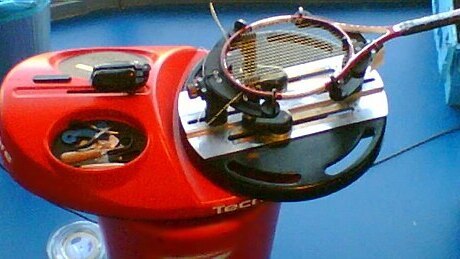
Decathlon Philippines offers restringing services at their locations in Alabang, Pasig, Pasay, and Cebu — and they accept all brands of rackets. It's one of the most accessible restringing options in the country.
For other options, check Facebook groups for local stringers. Many experienced players do their own stringing and offer services at competitive rates. Word of mouth is your best friend here.